Setúbal

Where the train crosses paths with culture and tradition

A visit to Setúbal is the perfect opportunity to discover one of Portugal's leading cities in the Lisbon Metropolitan Area, which stands out for its industrial, cultural, gastronomic and natural heritage. Situated between the Serra da Arrábida Natural Park and the mouth of the River Sado, Setúbal is the city of the celebrated Portuguese poet Manuel Maria Barbosa du Bocage and the famous Portuguese opera singer Luísa Todi. This destination can surprise visitors, offering unforgettable walks through the historic centre and along the Fishermen’s Quay.

Embark on a journey that invites you to slow down and is just as appealing as the destination itself. When travelling with us on the Lisbon urban trains to the city’s main station or to Praça do Quebedo station, you’ll find yourself right in the heart of Setúbal, with everything within walking distance. Here, the thriving fishing industry ensures there’s no shortage of fresh fish and seafood, as well as the famous and traditional fried cuttlefish, which is a hallmark of Setúbal’s culture.
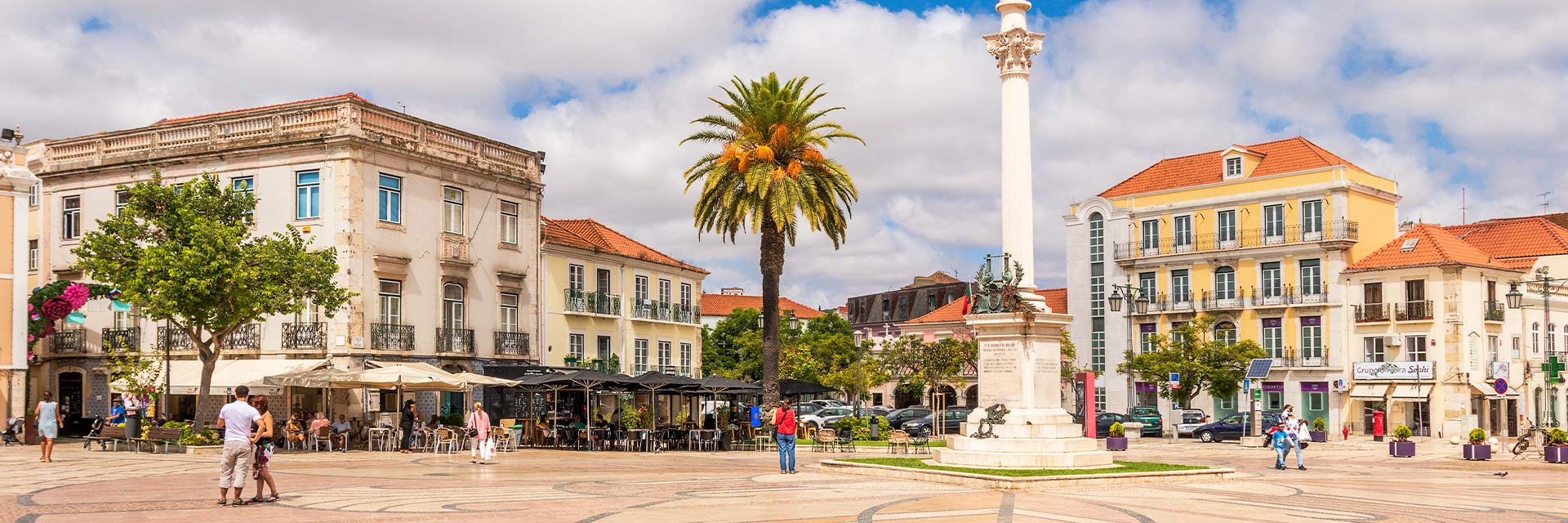
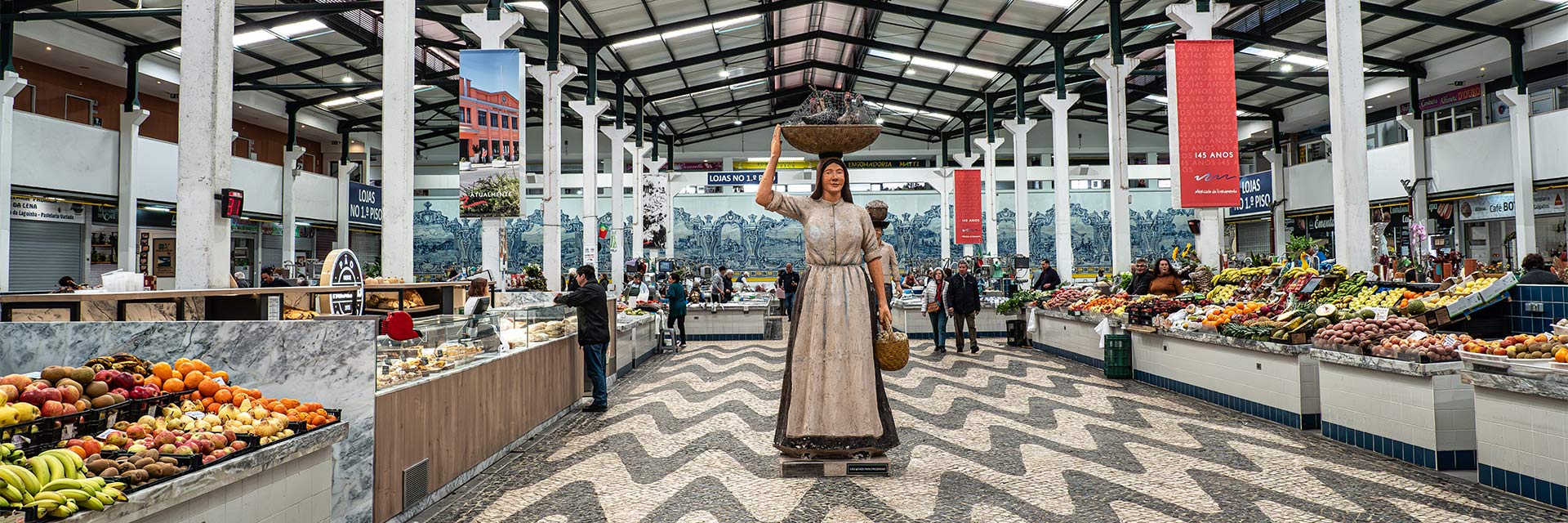
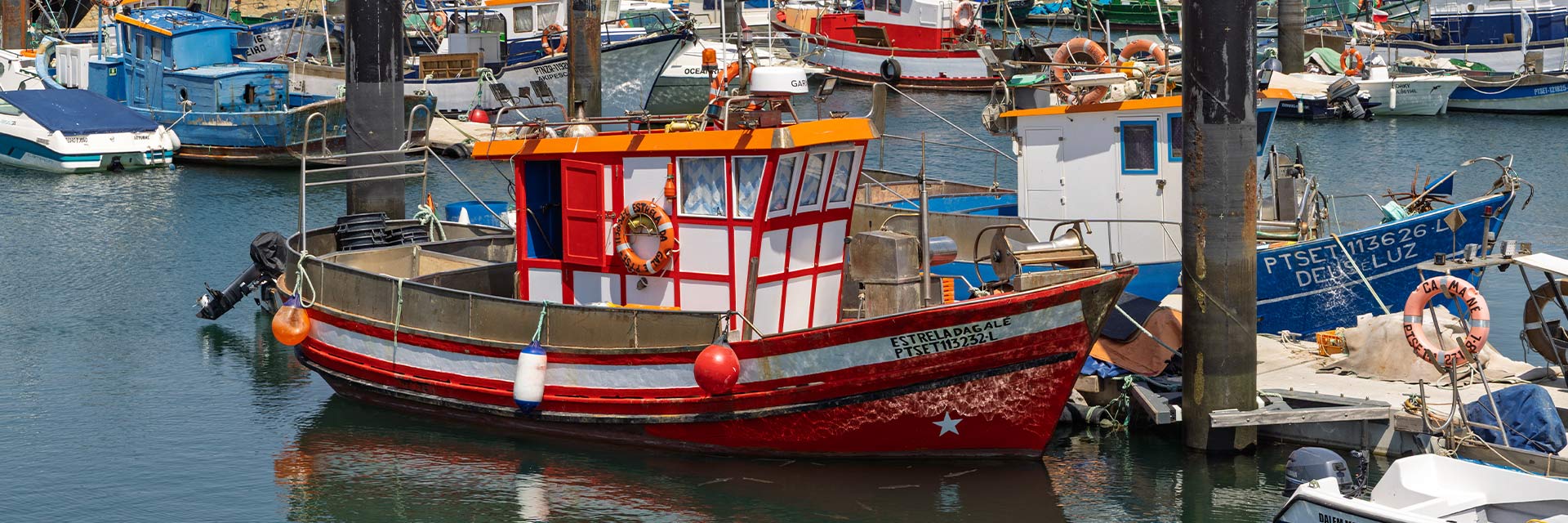
Opened in 1930 to replace the first market built in 1876, the Livramento Market has become famous not only for its lively atmosphere, traditional ambience and abundance of local produce and fresh fish, but also for the beauty of its interior, particularly its tiled panels. As it is close to one of the city’s main thoroughfares, Avenida Luísa Todi, which runs alongside the riverfront and forms the city’s gastronomic hub, this offers the perfect opportunity for a stroll towards the historic centre, passing through Praça de Bocage, and on to Doca dos Pescadores (Fishermen’s Quay), one of Setúbal’s most colourful and vibrant spots, offering a unique view of the Troia Peninsula.

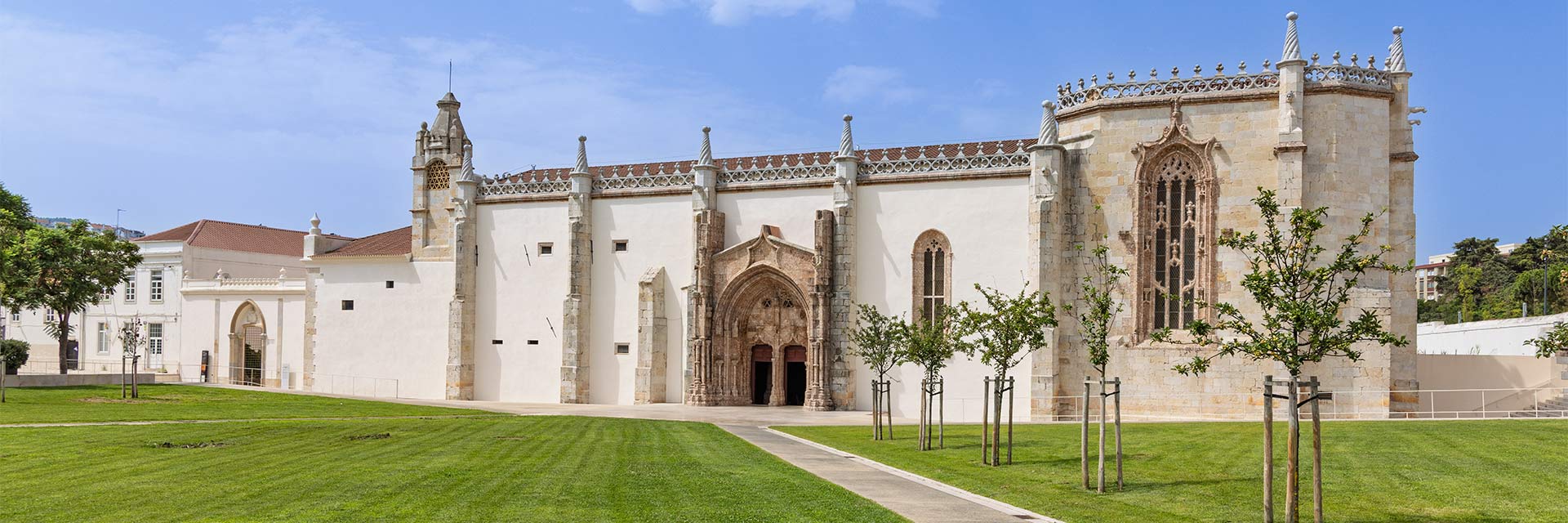
For a day out enjoying the peace and quiet of the city, Bonfim Park is an unmissable stop to take a break from the daily routine or enjoy a late afternoon in what is Setúbal’s largest green space. Set amidst a blend of greenery and urban scenery, the park is the perfect place to recharge your batteries and continue your stroll, with the next stop on the itinerary being a cultural highlight: a visit to the Convent of Jesus. Founded in 1490, this former convent of nuns represents the early days of the Manueline style, characteristic of King Manuel I's reign. It ranks among the greatest symbols of Portuguese architecture and, since 1961, has housed the Setúbal Museum. The venue has become a major cultural landmark, with its collection comprising the city's key works of art and treasures that tell its story.


The São Sebastião viewpoint offers a superb panoramic view of Setúbal and is an unmissable stop for anyone visiting the historic centre who wishes to take in a panoramic view of the city, the River Sado and the hustle and bustle of Setúbal’s harbour, against the backdrop of the Serra da Arrábida. Built in the early 20th century and adorned with tiled panels that highlight the space's architectural beauty, the viewpoint offers the perfect setting to view Setúbal and its famous bay. Since November 2002, Setúbal Bay has been part of the exclusive Club of the World’s Most Beautiful Bays for its unique, internationally recognised characteristics. Forming part of the REN – National Ecological Reserve, Setúbal Bay is rich in biodiversity and natural beauty, providing the perfect setting for walks, socialising and leisure activities.

A journey through Setúbal’s culture and heritage is synonymous with a visit to São Filipe Fort. Built in the 16th century to protect the mouth of the River Sado, this is the city's highest point. Rich in heritage and history and featuring a chapel entirely decorated with glazed tiles, São Filipe Fort offers one of the highlights of any visit, as it is one of the most extraordinary viewpoints, providing a spectacular vista over Setúbal, the Sado Estuary and the Troia Peninsula, making it a must-see stop either before or after a trip to Albarquel Beach. Regarded as Setúbal’s urban beach due to its proximity to the town centre, Albarquel Beach lies between the Serra da Arrábida and the River Sado, making it the ideal spot for a peaceful swim or simply a stroll along the sand.

After visiting Setúbal, or as a way of rounding off your visit to the city, you can explore the coast and the Serra da Arrábida, take a boat across to the Troia Peninsula, or go dolphin-spotting for the common dolphins in the Sado Estuary by booking a boat trip from Doca das Fontainhas or Setúbal Marina. The journey to Troia can be made by ferry, with departures from Doca do Comércio, or by catamaran from Rua Teotónio Banha. The Serra da Arrábida, as well as some of its beaches, can be reached by local public transport. There are boat trips from Setúbal to explore the Arrábida coast.

Buy
Descontos e parcerias
Outras experiências exclusivas para si
Embarque nos nossos comboios e descubra um Portugal com muito para surpreender
No Results Found