Beira Baixa from the train window

A journey to the interior of Portugal.

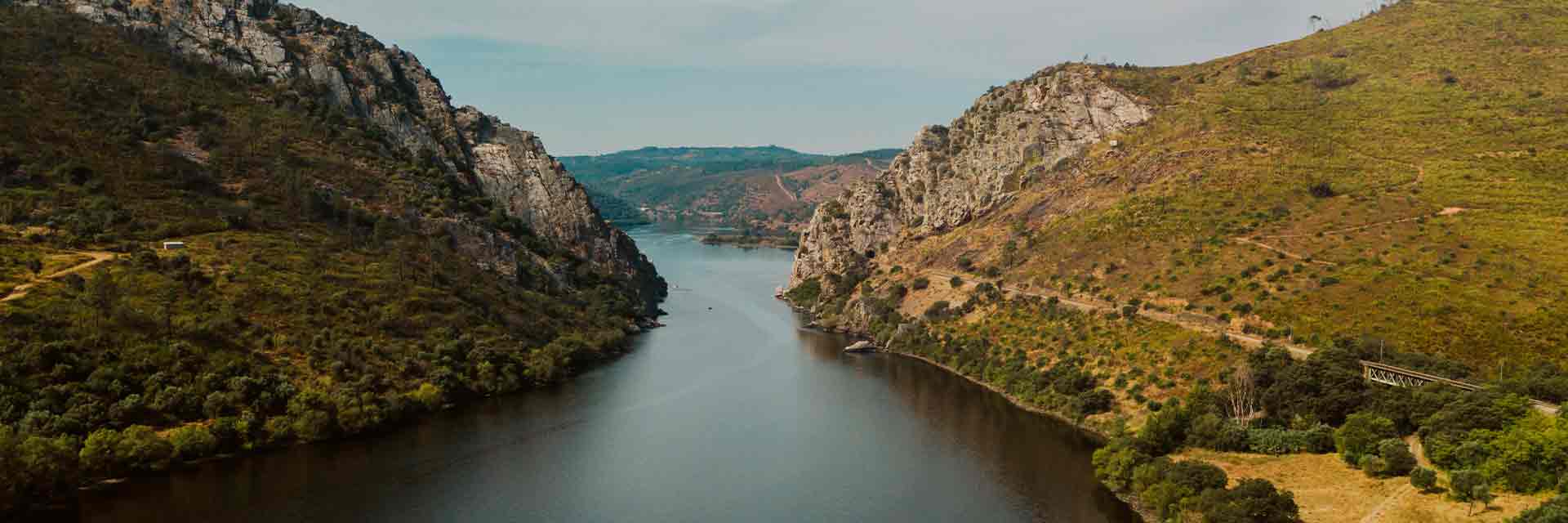
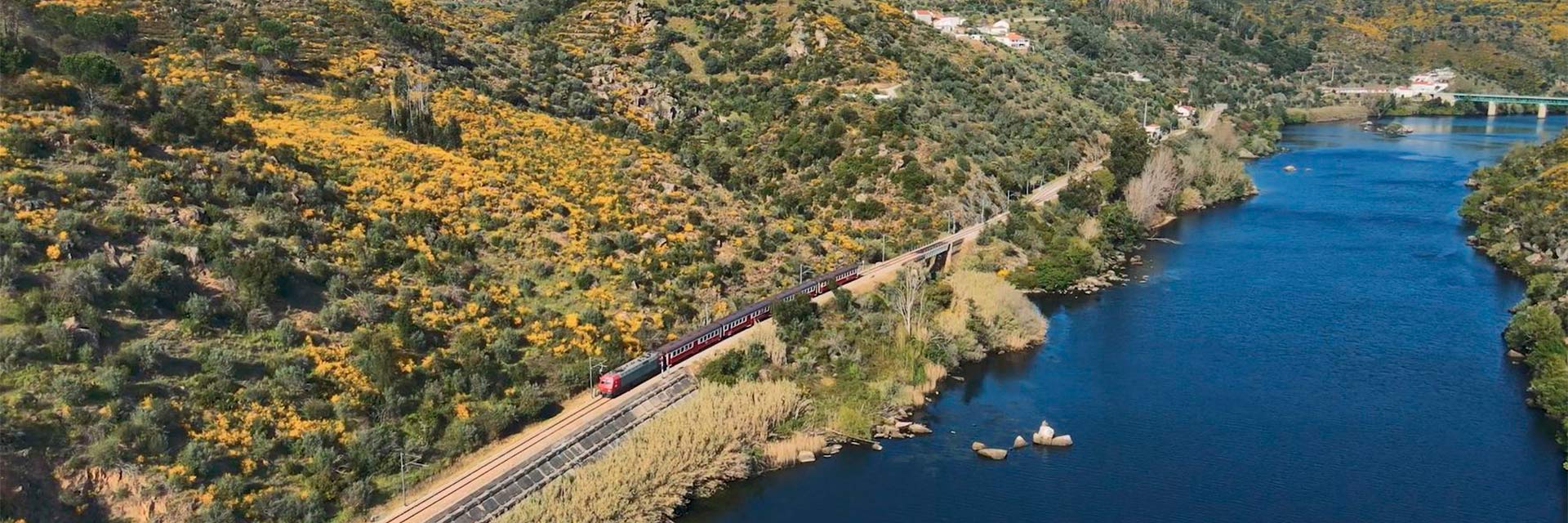
Setting off to explore the Beira Baixa region, situated in central Portugal, means embarking on a journey where the views from the train window reveal some of Portugal’s most scenic landscapes with captivating valleys and mountains, while the serene glimmer of the River Tagus sets the pace and accompanies you for part of the journey.

The train takes you on a journey to discover the region’s rich heritage, historic villages, Unesco-listed sites and natural parks, while inviting you to sample its exceptional cuisine. Every journey invites you to discover local and regional culture, local produce and an entire community that showcases the very best the country has to offer.

Travelling on the Beira Baixa Line, between Entroncamento and Guarda, is one of the most scenic and relaxing ways to travel through the Portuguese countryside. Stretching over more than 200 kilometres, the line traverses a region of unrivalled beauty, with a varied landscape that follows the River Tagus, passes through the foothills of the Gardunha, Estrela and Cova da Beira mountain ranges, and culminates in the ascent to the highest town in mainland Portugal – Guarda.

Set off on a journey through Beira Baixa aboard the Intercidades, Regional or InterRegional trains, discover one of Portugal’s most beautiful railway lines and experience the authenticity of a region that reveals itself at every destination.
The starting point is the town of Entroncamento. The journey begins in what is known as the “Railway Capital of Portugal”, a town that came into being and developed as a result of its connection to the railway. Unsurprisingly, it is home to the National Railway Museum, where, on the Entroncamento station premises, various trains that form part of Portugal’s railway history are on display, along with a range of equipment and documentation representing a railway heritage that endures through the ages. The Royal Train and the Presidential Train, as well as the old railway quarter, are some of the most important landmarks that you will certainly want to visit. While in the town, sample the local sweets and cuisine, which embody part of Entroncamento’s culture and history.

Next destination? Abrantes. Also known as the “City of Flowers,” Abrantes offers a panoramic view of the Ribatejo marshlands from its castle, the highest point in the town. A stroll along the medieval walls invites you to visit the D. Lopo de Almeida Museum or the Almeida Pantheon, situated in the Church of Santa Maria do Castelo. A trip to the city centre allows you to discover the Iberian Museum of Archaeology and Art in Abrantes, housed in the Convent of São Domingos, or to continue exploring Abrantes and also visit the Barracks – the Municipal Art Gallery, the ParqueTejo Centre or the Abrantes riverside area, taking the opportunity to sample the cuisine of the Ribatejo region or try ‘Palha de Abrantes’ or ‘Tijeladas’, both iconic examples of traditional local confectionery.

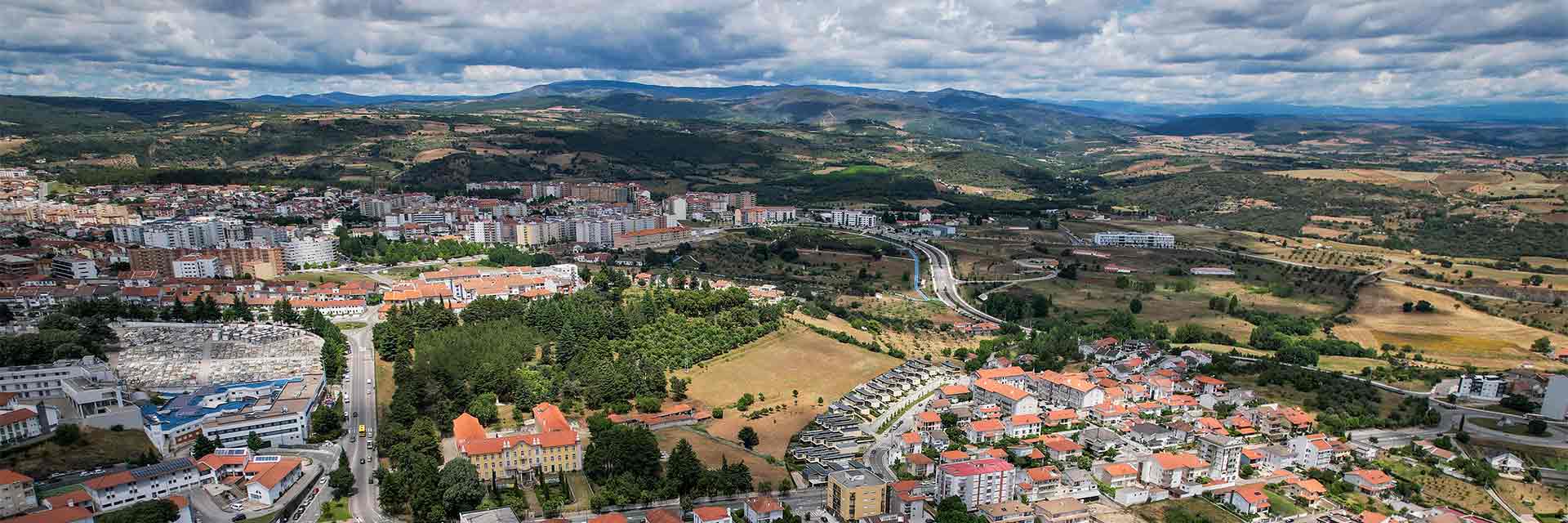
The journey continues to Castelo Branco, a city rich in historical and cultural heritage, with a historic centre that invites you to stroll through its intimate and welcoming atmosphere. A member of the Unesco Creative Cities Network since 2023 thanks to the art of Castelo Branco embroidery, Castelo Branco boasts several cultural attractions such as the Castelo Branco Embroidery Interpretation Centre, the Francisco Tavares Proença Júnior Museum, the Silk Museum, the Cargaleiro Museum, the House of Jewish Heritage, and the Contemporary Cultural Centre. The city invites you to take a stroll through the beautiful Jardim do Paço Episcopal or to explore the city’s history embodied in the Templar Castle, which offers a unique view of the city’s iconic historic centre and Praça Camões. As well as sampling the local cuisine, a visit is complete with an experience of nature: Barrocal Park is the perfect place to explore the geological landscape and enjoy the scenic beauty of one of Castelo Branco’s most important green spaces.

From the train window, between Entroncamento and Castelo Branco, you can see walking trails, footbridges and river beaches enjoyed by locals and tourists alike, along with the Fratel and Belver dams, Almourol Castle – built in the 12th century and situated on a small island in the middle of the Tagus – Belver Castle – built in the 12th century and situated in the small municipality of Gavião – and the Portas de Ródão Natural Monument – one of the seven natural monuments classified by the Institute for Nature Conservation and Forests, and one of the highlights of the Naturtejo Geopark, an area included by Unesco in its global network of geoparks.

The train continues on to Fundão, a town rich in hospitality, tradition and cuisine. Famous for its sweet treats, particularly those made with cherries, the town comes to life when the valleys are painted with cherry trees in bloom, offering unforgettable moments to all who visit. A member of Unesco’s Global Network of Learning Cities since 2024, the town of Fundão and its historic centre combine tradition, art and green spaces, and together with the landscape and the annual Cherry Festival, they make the destination even more appealing before continuing the journey.

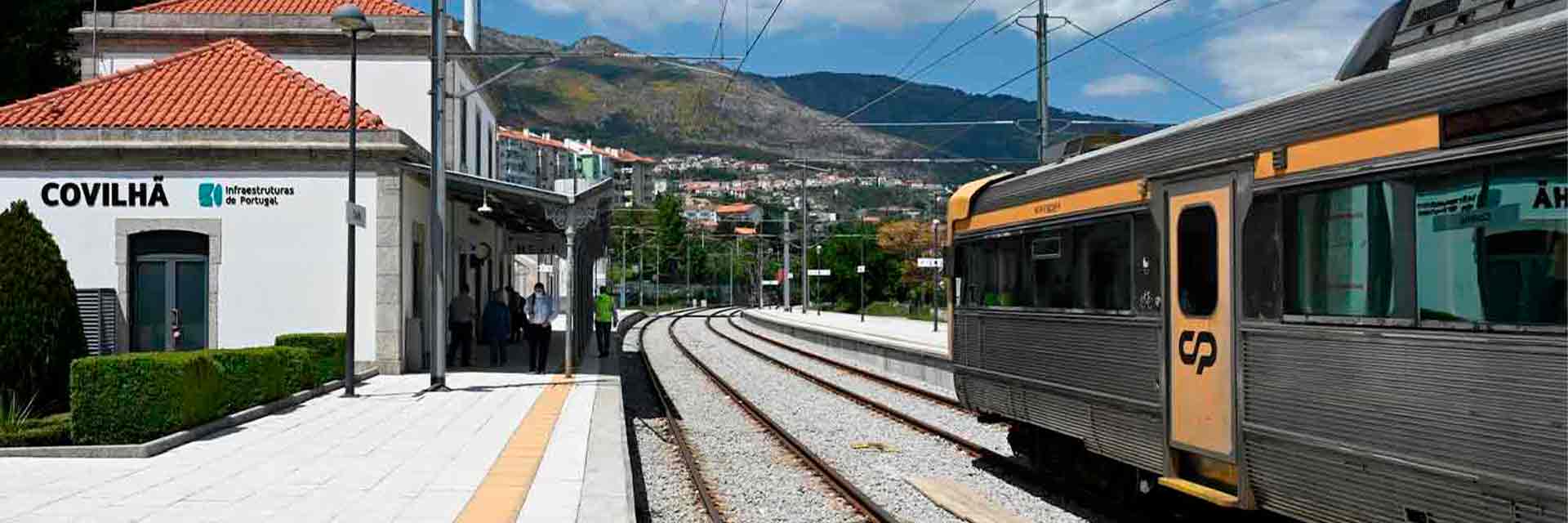
The next stop is Covilhã. Known for its proximity to the Serra da Estrela and for its industrial, archaeological and architectural heritage, its steep streets, its tradition of wool production and the vibrancy of its academic life, the town is one of the main landmarks of the Beira Baixa region, with a past linked to textile design. Having been part of the Unesco Creative Cities Network since 2021 as a centre of knowledge and innovation, and part of the Estrela Geopark – which forms part of Unesco's global network of geoparks – Covilhã is synonymous with international recognition. A stroll through the city calls for a visit to the Portas do Sol and Varanda dos Carqueijais viewpoints, where you can enjoy a spectacular view of the city or the Cova da Beira region. The Museum of Sacred Art, the Wool Museum, the Cheese Museum and the Tinturaria – Exhibition Gallery, as well as a visit to the historic centre, are essential stops for discovering one of the most iconic cities in the Central Portugal region.

Final destination? Guarda – where the Beira Alta and Beira Baixa regions meet. Renowned for its rich cultural and gastronomic heritage, the city is equally known for blending creativity with tradition. Travelling to Guarda means seeking out a premier mountain destination and discovering the symbol and legacy of cultures and customs embodied in the built heritage of the historic centre, the Old Jewish Quarter, the Castle and the Cathedral. Forming part of the Estrela Geopark, which is part of Unesco’s global network of geoparks, the city is a prime destination brimming with natural beauty, inviting you to embark on an adventure along the Mondego Walkways.

From the train window, on the way to Fundão, Covilhã and Guarda, the journey winds its way along the slopes of the Gardunha and Estrela mountain ranges, climbing up to Guarda through the Teixeira Valley. The route reveals the serenity of the agricultural valleys in contrast to the majesty of the mountains, culminating in the arrival at the rocky, austere horizon that is home to the highest town in mainland Portugal.

The journey ends in Guarda, but the discovery continues. Between the history, culture, cuisine and mountain landscapes, there are always new reasons to stay a little longer and let yourself be surprised by this region.

Buy
Descontos e parcerias
Outras experiências exclusivas para si
Embarque nos nossos comboios e descubra um Portugal com muito para surpreender
No Results Found